
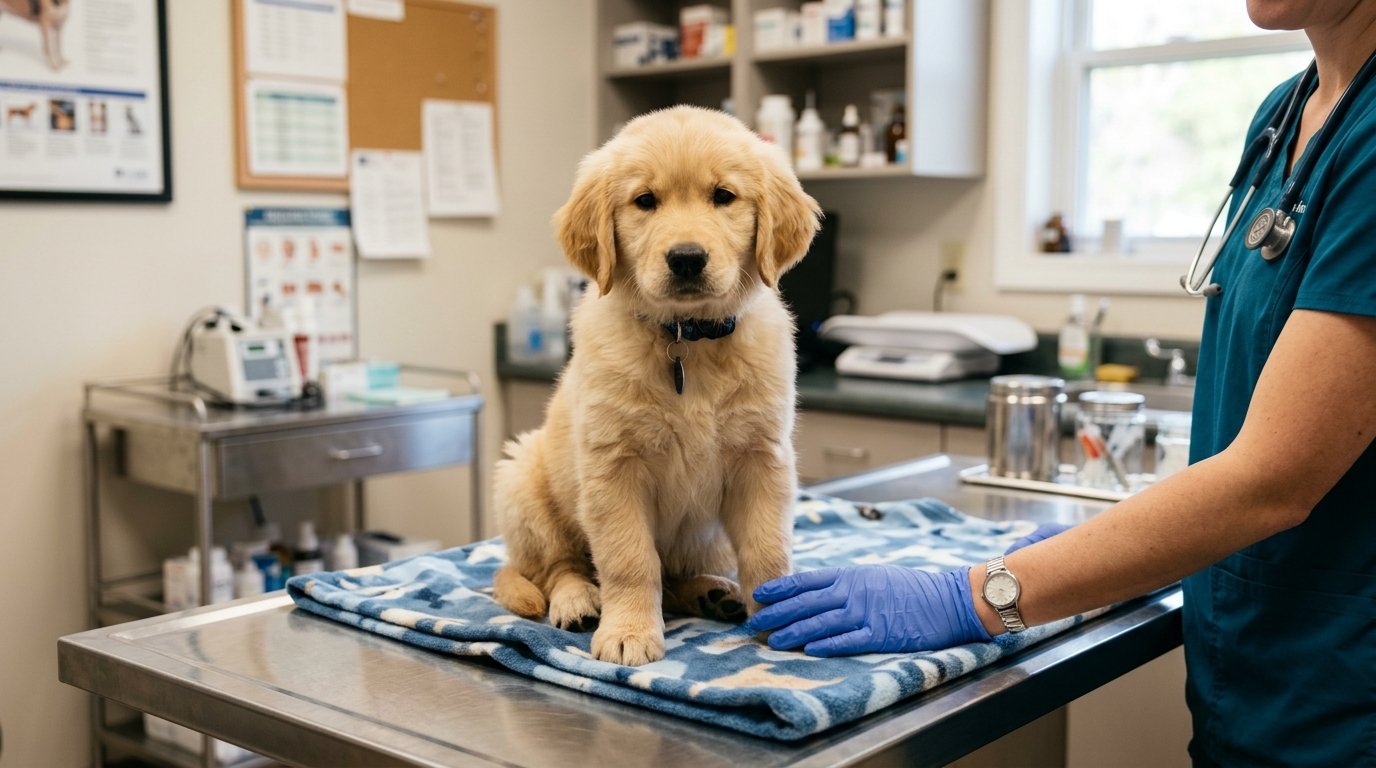
Between the excitement of a new puppy and the flurry of vet visits, it’s easy to lose track of what shot goes when. But staying on top of your puppy’s vaccination schedule isn’t just a checkbox – it’s one of the most important things you’ll do to protect their health for life.
Let’s break down exactly what to expect, when, and why timing matters so much.
Why Vaccination Timing Matters So Much
Puppies are born with some immunity from their mother’s milk – but it fades quickly, leaving gaps where they’re vulnerable to serious, sometimes fatal diseases.
- Early vaccines protect against highly contagious illnesses like parvovirus and distemper
- Timing is designed to work around fading maternal immunity
- Skipping or delaying doses can leave dangerous immunity gaps
- Boosters are just as important as the first dose
This is why vets use a schedule, not a single shot – it’s a layered process, not a one-and-done event.
Understand the Core Vaccines First
Most puppies follow a similar core vaccination path, though your vet may adjust based on your location and lifestyle.
Typically included:
- DHPP (Distemper, Hepatitis, Parainfluenza, Parvovirus)
- Rabies (timing varies by local law)
- Bordetella (kennel cough – often recommended if socializing or boarding)
- Leptospirosis (depending on regional risk)
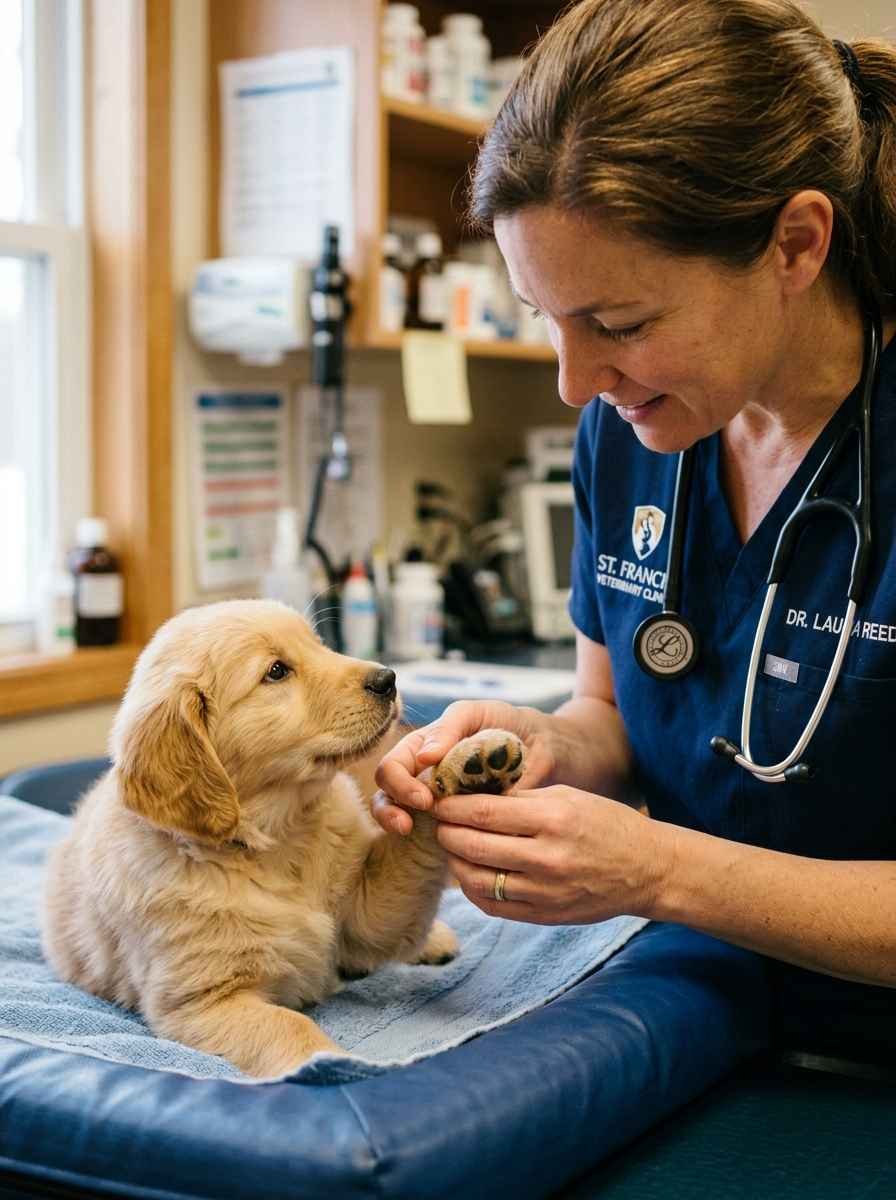
Your vet will tailor the exact combination based on where you live and your puppy’s exposure risk.
How to Follow Your Puppy’s Vaccination Schedule by Age
While your vet’s specific schedule is the one to trust, here’s a general framework most puppies follow:
- 6–8 weeks: First DHPP dose
- 10–12 weeks: Second DHPP dose, possible Bordetella
- 14–16 weeks: Third DHPP dose, Rabies vaccine
- 12–16 months: Booster round for DHPP and Rabies
Multiple doses aren’t redundant – each one builds on the last to close immunity gaps as maternal protection fades at different rates per puppy.
Keep a Written or Digital Record
Between multiple doses and vet visits, it’s easy to lose track. Staying organised keeps you (and your vet) on the same page.
- Ask your vet for a printed vaccination record after each visit
- Take a photo or store it digitally as backup
- Note the date of each dose and the next due date
- Bring this record to every future appointment
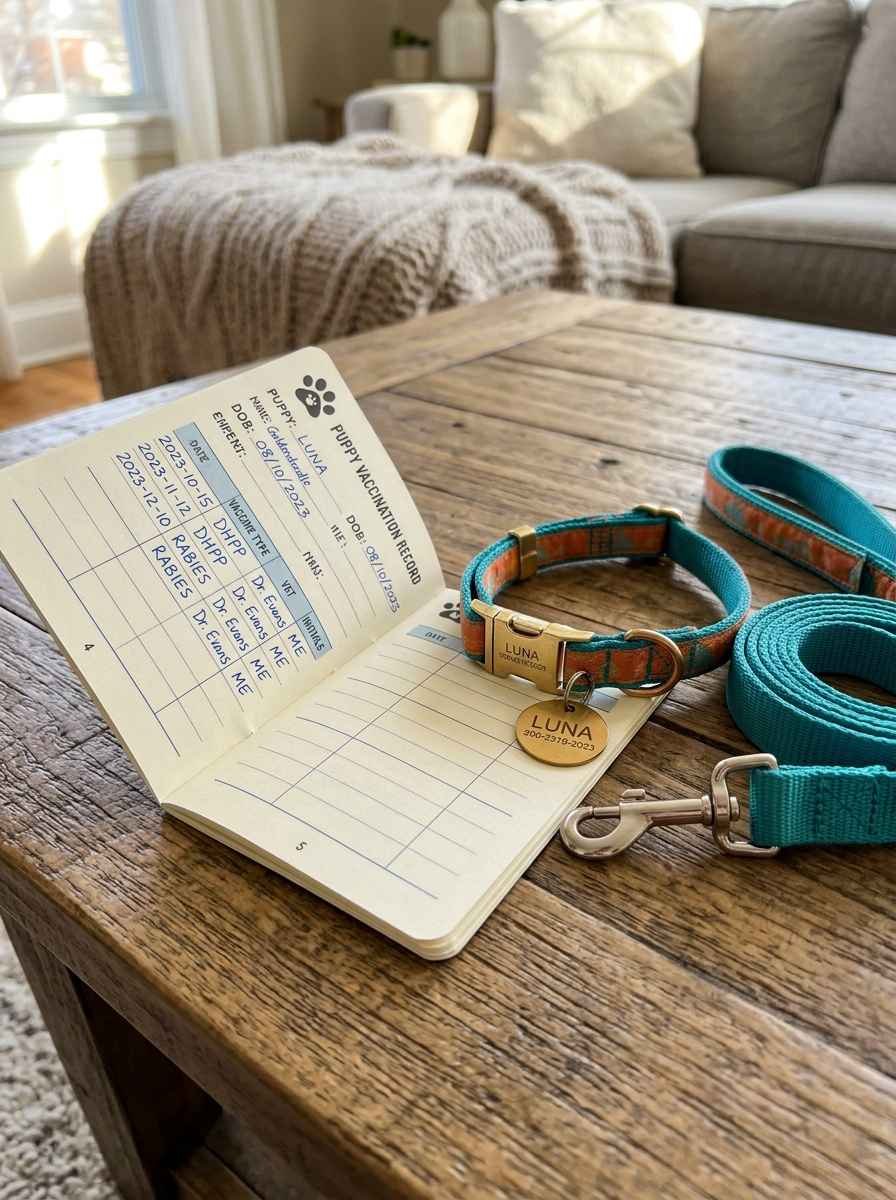
Tip: Set phone reminders a few days before each due date so appointments never sneak up on you.
Limit Exposure Until Vaccination Is Complete
Your puppy isn’t fully protected until they’ve completed the core series – usually around 16 weeks.
Until then:
- Avoid dog parks and high-traffic pet areas
- Skip unfamiliar dogs with unknown vaccination status
- Hold off on boarding facilities or grooming salons
- Stick to safe socialization: known, vaccinated, healthy dogs only
- For safe socialization before your puppy completes all vaccinations, check out our guide: How to Socialize a Puppy Before 16 Weeks.
This doesn’t mean isolating your puppy completely – just being thoughtful about where and with whom they interact during this vulnerable window.
Don’t Skip the Booster Doses
It’s tempting to think one round of shots means you’re done – but boosters are just as critical.
- Boosters reinforce long-term immunity
- Missing them can mean starting parts of the series over, depending on the vaccine
- Adult dogs typically shift to annual or triennial booster schedules after the puppy series
Watch for Normal vs. Concerning Reactions
Mild reactions are common and usually resolve on their own within a day.
Normal (usually fine):
- Slight tenderness at the injection site
- Mild tiredness
- Reduced appetite for a few hours
Contact your vet if you notice:
- Facial swelling or hives
- Vomiting or diarrhea
- Difficulty breathing
- Collapse or extreme lethargy
Serious reactions are rare, but knowing the difference helps you respond quickly if something feels off.
Common Mistakes to Avoid
- Assuming one vaccine dose is “enough”
- Socializing too freely before the series is complete
- Losing track of booster due dates
- Skipping vet visits when a puppy seems “healthy enough”
- Not asking questions about regional vaccine recommendations
A Simple Vaccination Timeline Overview
| Age | Typical Vaccines |
|---|---|
| 6–8 weeks | DHPP (1st dose) |
| 10–12 weeks | DHPP (2nd dose), Bordetella |
| 14–16 weeks | DHPP (3rd dose), Rabies |
| 12–16 months | Booster round |
Always confirm the exact schedule with your vet, since it can shift based on your puppy’s health and local regulations.
Final Thoughts
Following your puppy’s vaccination schedule isn’t about perfection – it’s about staying consistent and working closely with your vet along the way. A little organization now builds a strong foundation of protection that lasts well into adulthood.