
Bringing home a puppy is pure joy – until feeding time turns into a guessing game. Too much food, too little, wrong timing… it’s easy to feel lost. The good news? Puppy feeding doesn’t have to be complicated once you know what to expect at each age and stage.
Let’s break down exactly how to build a feeding schedule your puppy (and your sanity) will thank you for.
Why a Feeding Schedule Matters
Puppies grow fast – like, blink-and-they’re-bigger fast. Their tiny bodies need consistent fuel to support:
- Healthy bone and muscle development
- Steady energy levels throughout the day
- Predictable potty breaks (yes, please!)
- Blood sugar stability, especially in smaller breeds
A structured schedule also helps prevent overeating, picky eating habits, and that dreaded 3 a.m. whining for a snack.
8–12 Weeks: The Newly Weaned Stage
At this age, puppies are adjusting to solid food and need frequent, small meals.
- Feedings per day: 4 meals
- Food type: Puppy-specific formula (soft or moistened kibble works well)
- Timing tip: Space meals every 3–4 hours
Their stomachs are tiny, so overloading one meal can cause an upset tummy. Little and often is the name of the game here.
3–6 Months: The Growing Explorer Stage
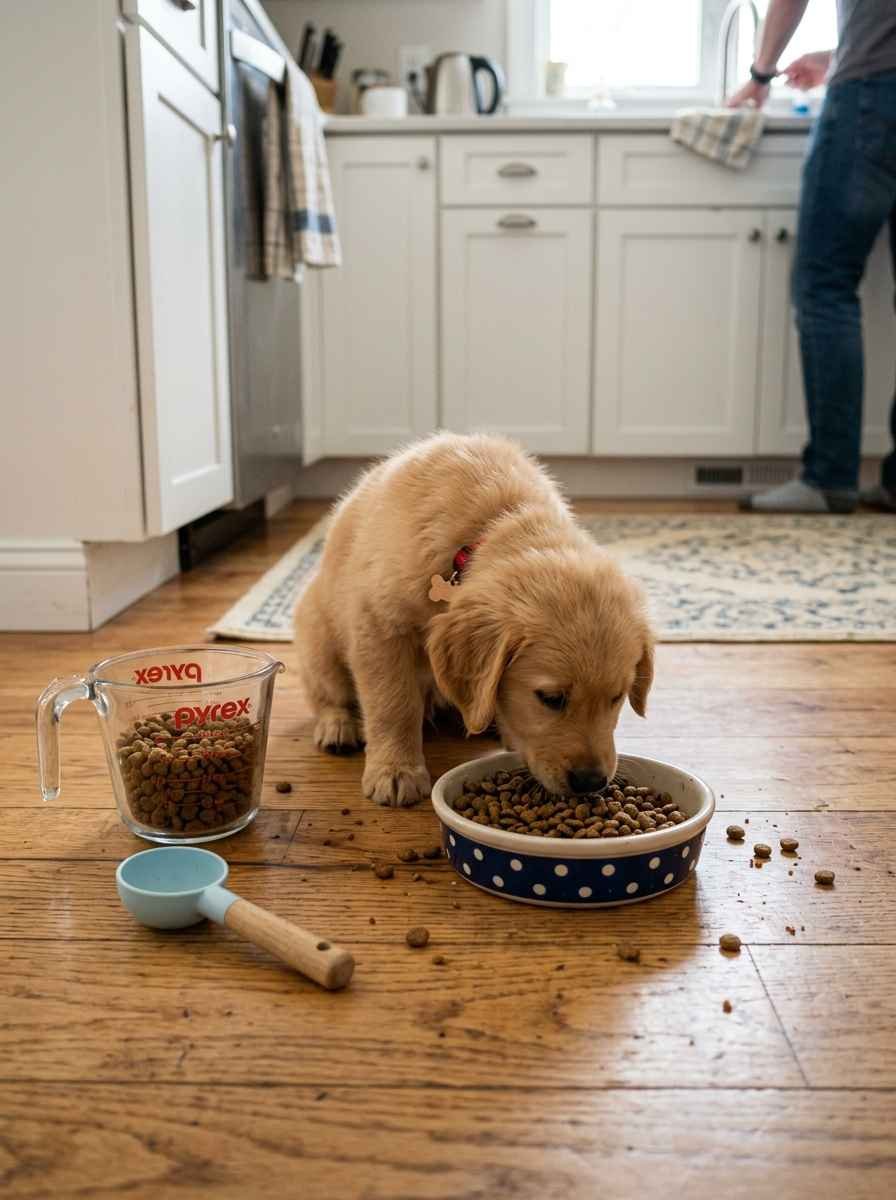
This is prime growth time, and your puppy’s appetite will reflect that.
- Feedings per day: 3 meals
- Food type: Continue high-quality puppy food
- Timing tip: Morning, afternoon, and evening, roughly 6–8 hours apart
Around this stage, puppies are also teething and exploring everything with their mouths, so consistent mealtimes help create structure amid the chaos.
Quick tip: Avoid free-feeding (leaving food out all day) – it makes potty training harder and can lead to overeating.Maintaining consistent potty breaks is just as important. Read guide on How to Potty Train a Puppy Faster to reinforce good bathroom habits during this stage.
6-12 Months: The Adolescent Stage
Your puppy is getting bigger, more active, and (hopefully) a little calmer.
- Feedings per day: 2 meals
- Food type: Puppy food, transitioning toward adult food near the end of this stage (breed-dependent)
- Timing tip: Morning and evening, spaced 10–12 hours apart
This is also a great time to start syncing meals with exercise. A short walk after breakfast and before dinner helps with digestion and energy balance.
12 Months+: Transitioning to Adult Feeding
Most puppies are considered adults around 12 months – though large and giant breeds may take up to 18–24 months to fully mature.
- Feedings per day: 2 meals (standard for most adult dogs)
- Food type: Gradually switch to adult dog food over 7–10 days
- Timing tip: Consistent times daily to support digestion
How to transition food smoothly:
- Mix 25% new food with 75% old food for 2–3 days
- Move to a 50/50 mix for another 2–3 days
- Shift to 75% new food, 25% old
- Fully switch by day 7–10
Sudden food changes can cause digestive upset, so patience really pays off here.
General Feeding Tips for Every Age
- Always follow portion guidelines on the food packaging (based on weight and age)
- Avoid feeding right before or after vigorous play
- Keep fresh water available at all times
- Watch for weight changes and adjust portions with your vet’s guidance
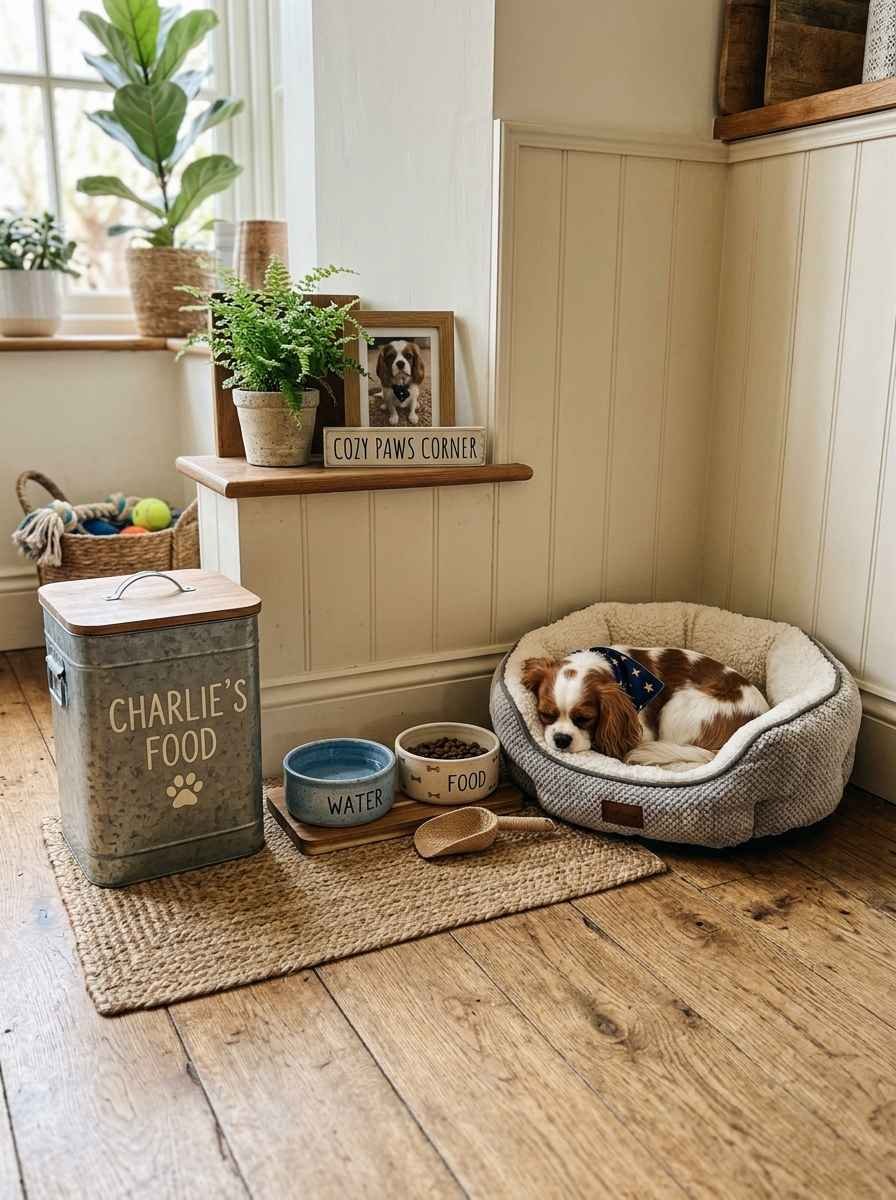
- Stick to consistent feeding locations too – it reduces anxiety and mess
Putting It All Together
Here’s a simple cheat-sheet to keep handy:
| Age | Meals/Day | Notes |
|---|---|---|
| 8–12 weeks | 4 | Small, frequent meals |
| 3–6 months | 3 | Structured routine |
| 6–12 months | 2 | Sync with exercise |
| 12+ months | 2 | Transition to adult food |
Print this out, save it to your phone, or pin it somewhere you’ll actually see it – future you will be grateful.
Final Thoughts
A good feeding schedule isn’t about perfection – it’s about consistency. Your puppy’s needs will shift as they grow, and that’s completely normal. Trust the process, watch your pup’s energy and body condition, and don’t hesitate to check in with your vet along the way.