
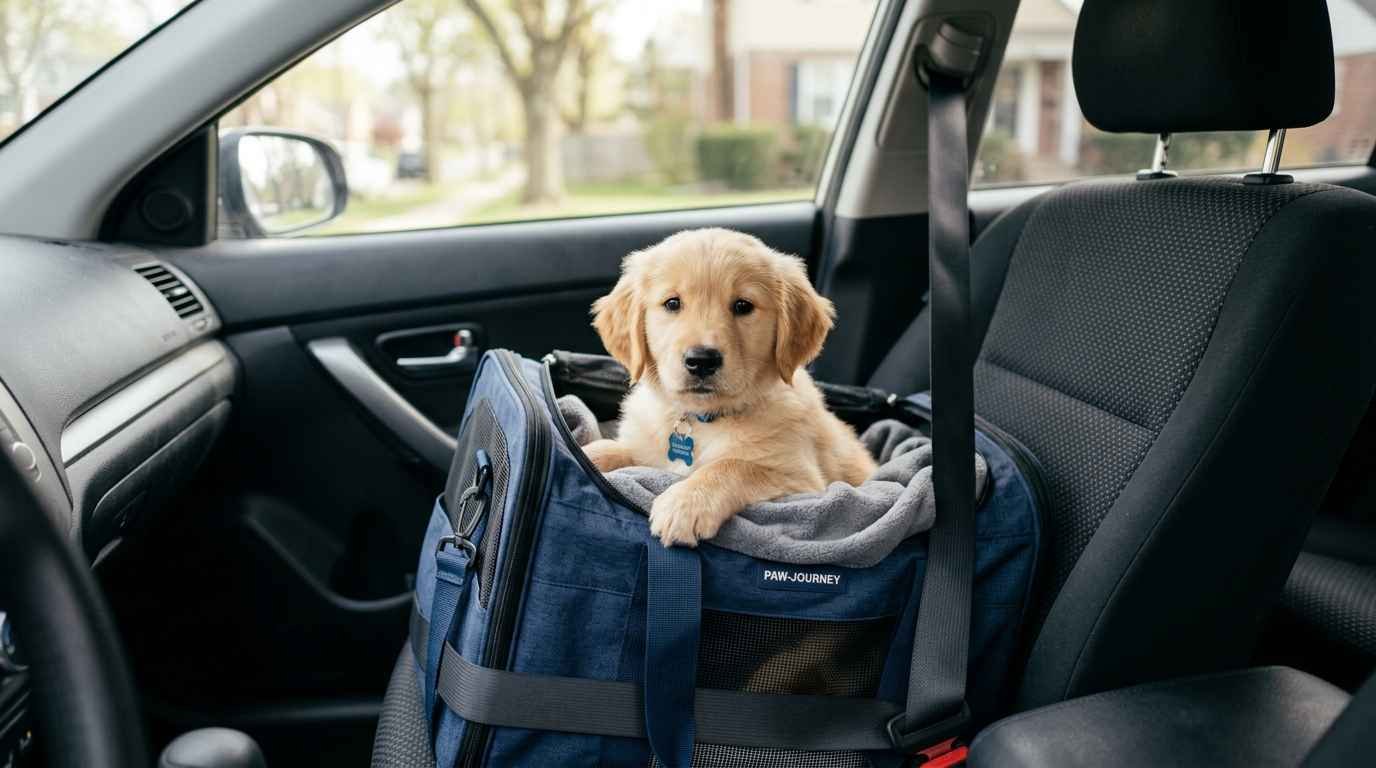
Bringing your puppy home is exciting – but that first vet visit can feel a little nerve-wracking if you’re not sure what to expect. Will they cry? What should you bring? What will the vet actually check? Take a breath: with a little preparation, this first appointment can be smooth, stress-free, and even a positive bonding experience.
Here’s exactly how to get ready so you walk in feeling confident instead of scrambling.
Why the First Vet Visit Matters So Much
This appointment sets the tone for your puppy’s relationship with veterinary care for years to come.
- It establishes a baseline for your puppy’s health
- It kicks off (or continues) their vaccination schedule
- It’s your chance to ask every question on your mind
- Positive early experiences reduce vet-related fear later in life
Think of it less as a single checkup and the start of an ongoing health partnership.
Step 1: Book the Right Timing
Ideally, your puppy’s first vet visit should happen within the first few days of bringing them home, even if they’ve already had shots from the breeder or shelter.
- Confirms overall health before bonding too deeply with routines
- Catches early red flags like parasites or infections
- Aligns future vaccines with your vet’s specific schedule
Tip: If your puppy came from a shelter or rescue, bring any existing paperwork so your vet can pick up where things left off.
Step 2: Gather the Right Paperwork
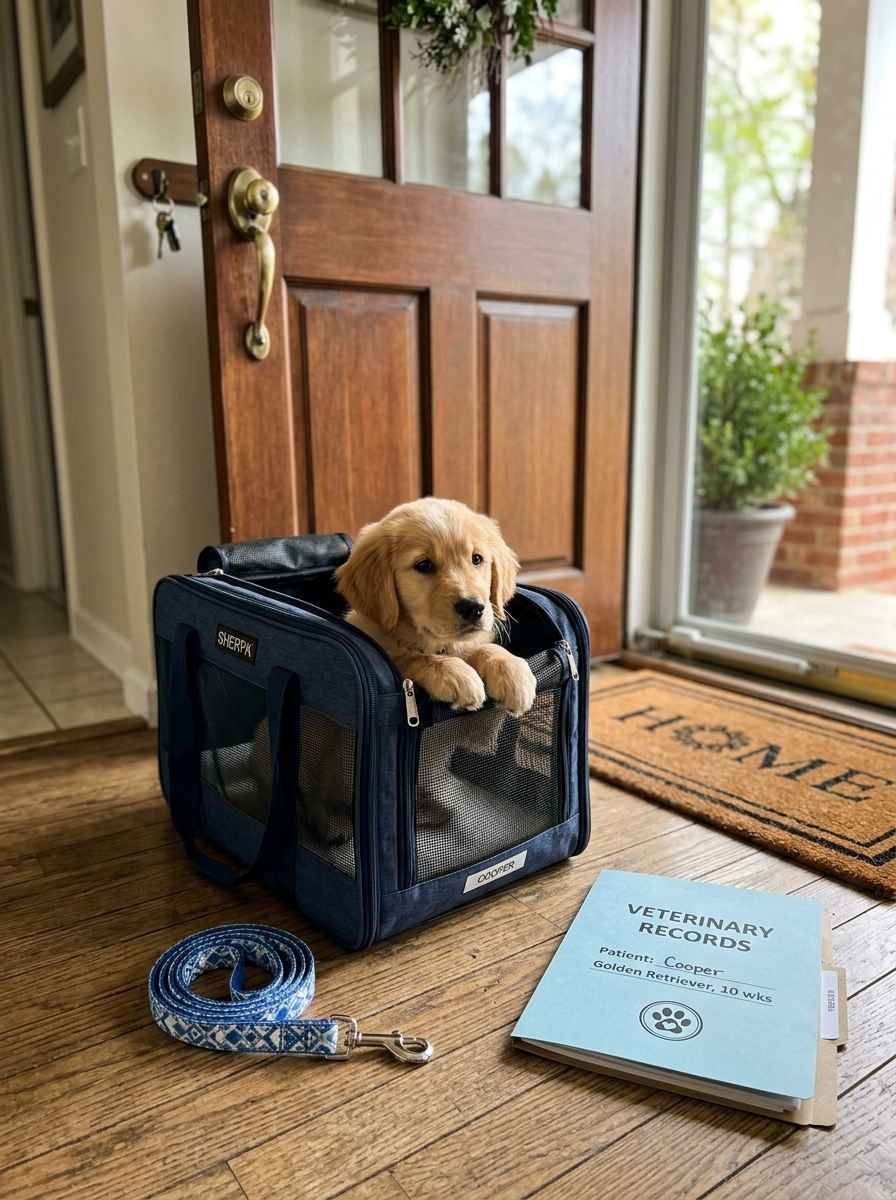
Walking in organized saves time and helps your vet build an accurate picture of your puppy’s history.
Bring along:
- Any vaccination records from the breeder, shelter, or previous owner
- Deworming or flea treatment history
- Adoption or purchase paperwork
- A list of questions you want to ask
If you don’t have any prior records, that’s okay too – just let the front desk know so they can start fresh.
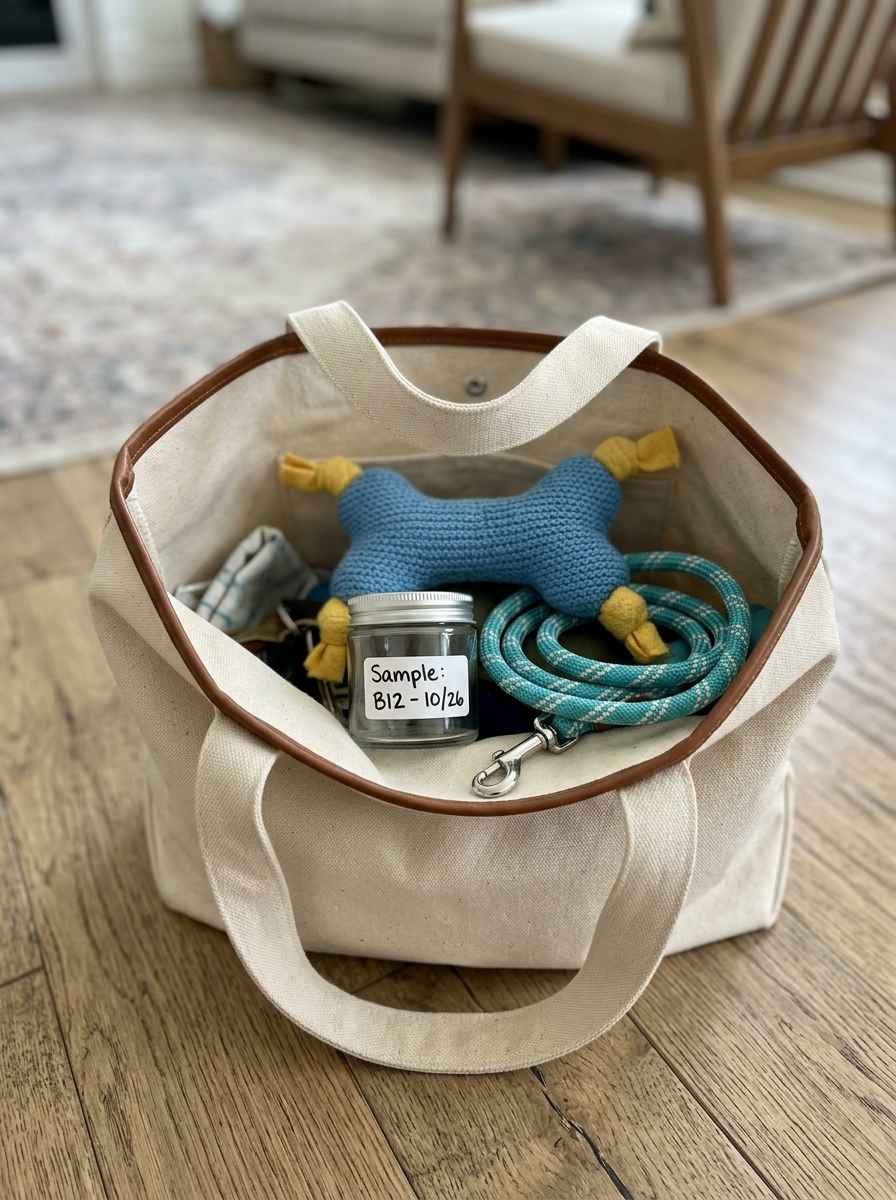
Step 3: Prepare a Stool Sample
This one catches a lot of new owners off guard – but it’s a standard part of the first visit.
- Collect a small, fresh sample (a plastic bag or container works fine)
- Keep it refrigerated if the visit isn’t the same day
- This helps the vet check for intestinal parasites, which are common in puppies
Tip: Call ahead to confirm your vet’s exact preference for sample size and storage.
Step 4: Get Your Puppy Comfortable with the Carrier or Car
For smaller breeds, a carrier makes transport safer and calmer. For larger puppies, a secure harness and car seatbelt attachment works well.
- Let your puppy explore the carrier at home beforehand
- Add a familiar blanket or toy inside for comfort
- Take a few short practice car rides if possible
- Avoid feeding a large meal right before travel to prevent car sickness
A calm car ride sets a much better tone for the whole appointment.
Step 5: Pack a Small Vet Visit Bag
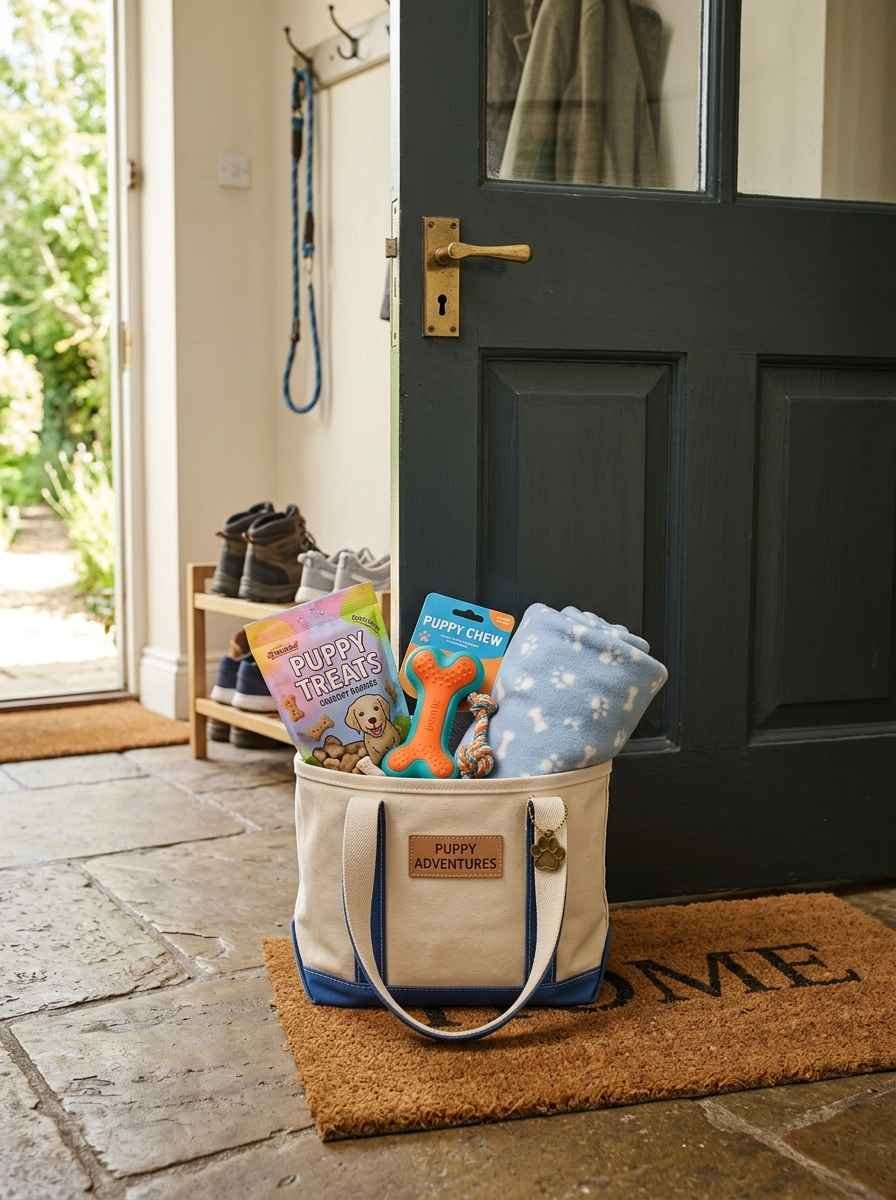
Having a few essentials on hand keeps things smooth if your puppy gets anxious or the visit runs long.
Good things to pack:
- Small, high-value treats
- A favorite toy or chew
- A blanket with a familiar scent
- Water and a travel bowl
- Poop bags, just in case
Step 6: Prepare Your List of Questions
The first visit is the perfect time to get expert guidance tailored to your specific puppy.
Consider asking about:
- Recommended vaccination and deworming schedule
- Feeding guidelines and portion sizes
- Flea, tick, and heartworm prevention
- Spay/neuter timing recommendations
- Breed-specific health considerations
Writing questions down ahead of time means you won’t forget anything once you’re in the room.
Step 7: Keep the Visit Calm and Positive
Your energy rubs off on your puppy – a calm, upbeat tone helps them feel safe.
- Use a soothing voice during handling and exams
- Bring treats to reward calm behavior throughout
- Avoid over-comforting anxious behavior (it can reinforce fear)
- Praise generously when the visit is over, regardless of how it went
What to Expect During the Exam
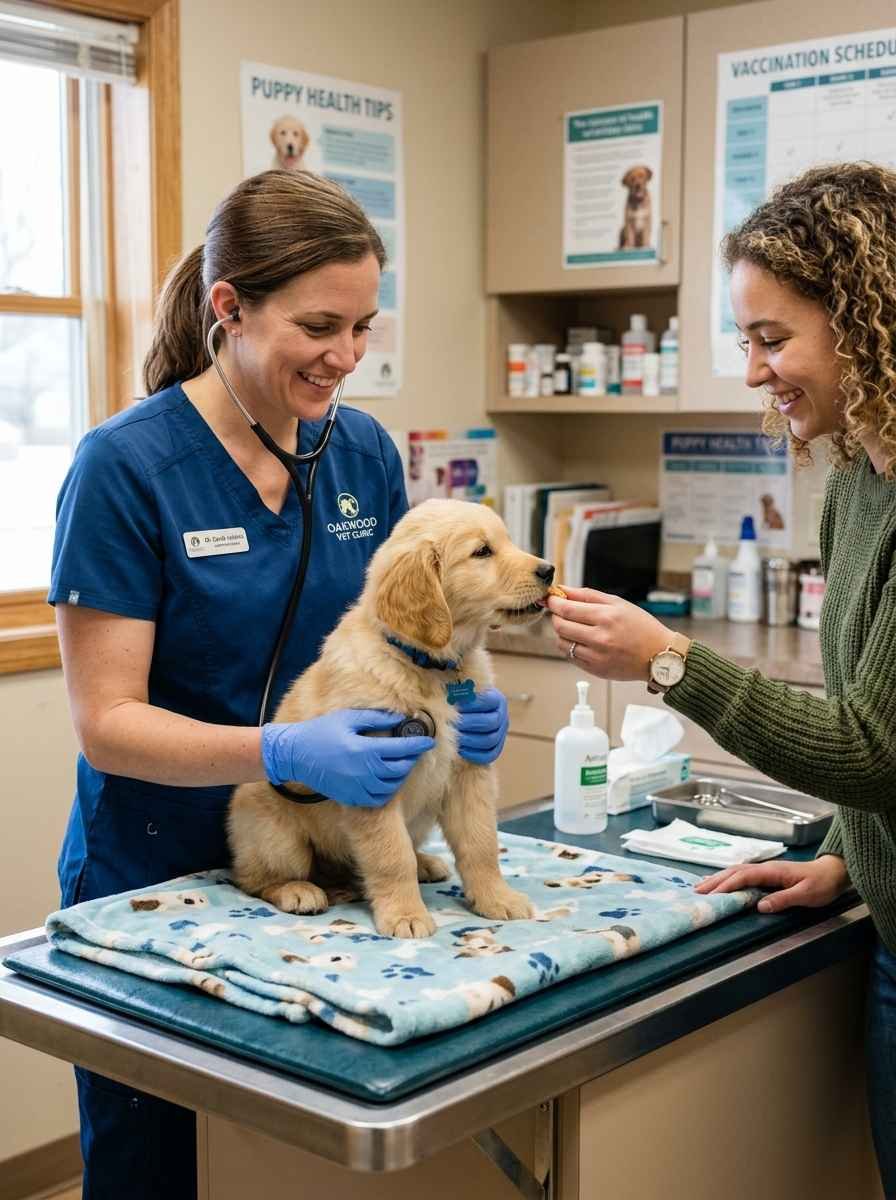
Most first visits follow a similar general structure:
- Weight check and overall body condition assessment
- Ears, eyes, teeth, and coat examination
- Heart and lung listening with a stethoscope
- Abdominal palpation
- Discussion of vaccines, parasite prevention, and diet
- Q&A time for your questions
The whole appointment typically takes 20–30 minutes, depending on your puppy’s needs.
Common Mistakes to Avoid
- Waiting too long to schedule the first visit
- Forgetting to bring a stool sample
- Skipping written questions and forgetting them on the spot
- Feeding a big meal right before car travel
- Overreacting to minor fussiness during the exam
- A first vet visit can be easier when your puppy is comfortable responding to you. Practicing How to Teach Your Puppy Its Name can help your puppy focus on you and feel more confident during new experiences.
A Simple First Vet Visit Checklist
| Task | Done? |
|---|---|
| Book appointment within first few days | ☐ |
| Gather vaccination/health records | ☐ |
| Collect a stool sample | ☐ |
| Prepare carrier or car setup | ☐ |
| Pack treats, toy, and blanket | ☐ |
| Write down your questions | ☐ |
Keep this checklist handy the night before so morning-of prep feels effortless.
Final Thoughts
Preparing for your puppy’s first vet visit doesn’t have to feel overwhelming. With a little organization and a calm approach, you’ll set the stage for a lifetime of positive vet experiences – for both of you.